
Connect
The Robinhood Trading MCP ships as a featured preset. Authorize over OAuth and its tools load without a gateway restart.
AgentOS trades natively, routes every turn to the cheapest capable model, and keeps your keys, memory, and routing on your own machine.

Trading is a first-class capability, not an afterthought. Market data, portfolio analysis, and order execution reach the agent through partner-authorized connections and skills that ship with AgentOS — all running on your own machine.
The Robinhood Trading MCP ships as a featured preset. Authorize over OAuth and its tools load without a gateway restart.
Read positions, balances, order history, and watchlists, or research a token's liquidity, holders, and security profile.
Order-capable tools are treated as high-impact. Writes are previewed and surfaced for approval before anything is sent.
Confirmed orders run through the provider's own authenticated schemas — never an unofficial API.
Account and portfolio analysis, market research, order preview, placement, cancellation, and rebalancing over the official Trading MCP.
Swap, batch-trade, and set limit, stop-loss, take-profit, and trailing orders across Solana, BSC, Base, and Ethereum.
Resolve a company or ticker to its Robinhood Chain token — contract address, chain id, and decimals — from the public CoinGecko list.
Natural-language trading for crypto and tokenized stocks, wallet and P&L reads, transfers, and token launches across Base, Solana, Robinhood Chain, and more.
What still leaves the machine is exactly what has to: the broker or exchange calls themselves, and the model turns you route to a remote provider.
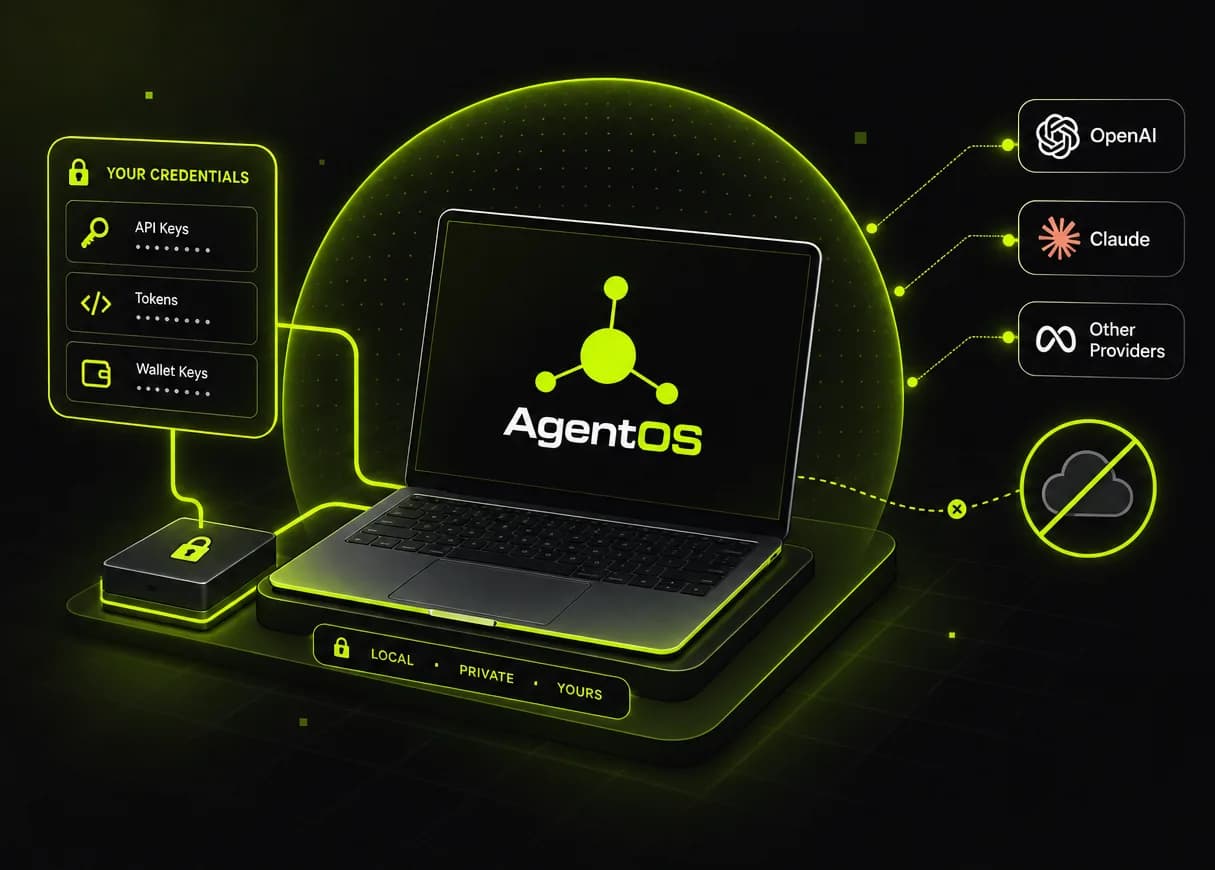
Authorization tokens are written to a 0700 directory on POSIX systems, and Windows uses your own state-directory ACL. Signing keys are local environment values — nothing is escrowed with a hosted service, and the agent never asks you to paste one into chat.
The Pilot Router classifies each turn on-device, so a strategy prompt is not shipped to a third party merely to decide which model should handle it. Only the turn that actually runs reaches your chosen provider.
Scheduled and recurring strategies execute through the local gateway instead of a rented agent cloud. Paired with router-driven model selection, running continuously stays inexpensive.
A thin desktop client over the same local gateway the CLI and web console use. It finds or installs the engine, supervises the gateway, and gives chat and the trading desk one window with native notifications.
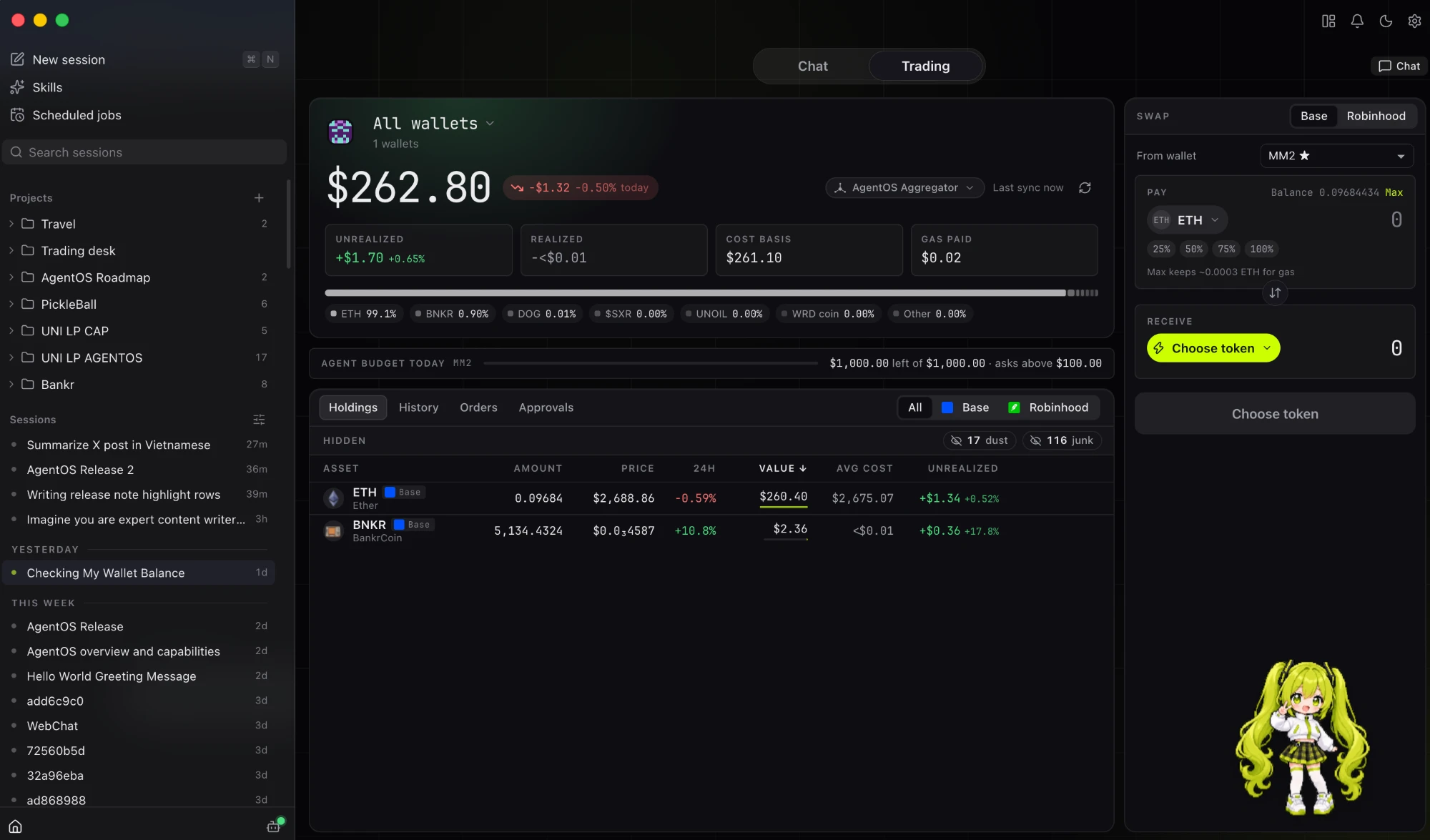
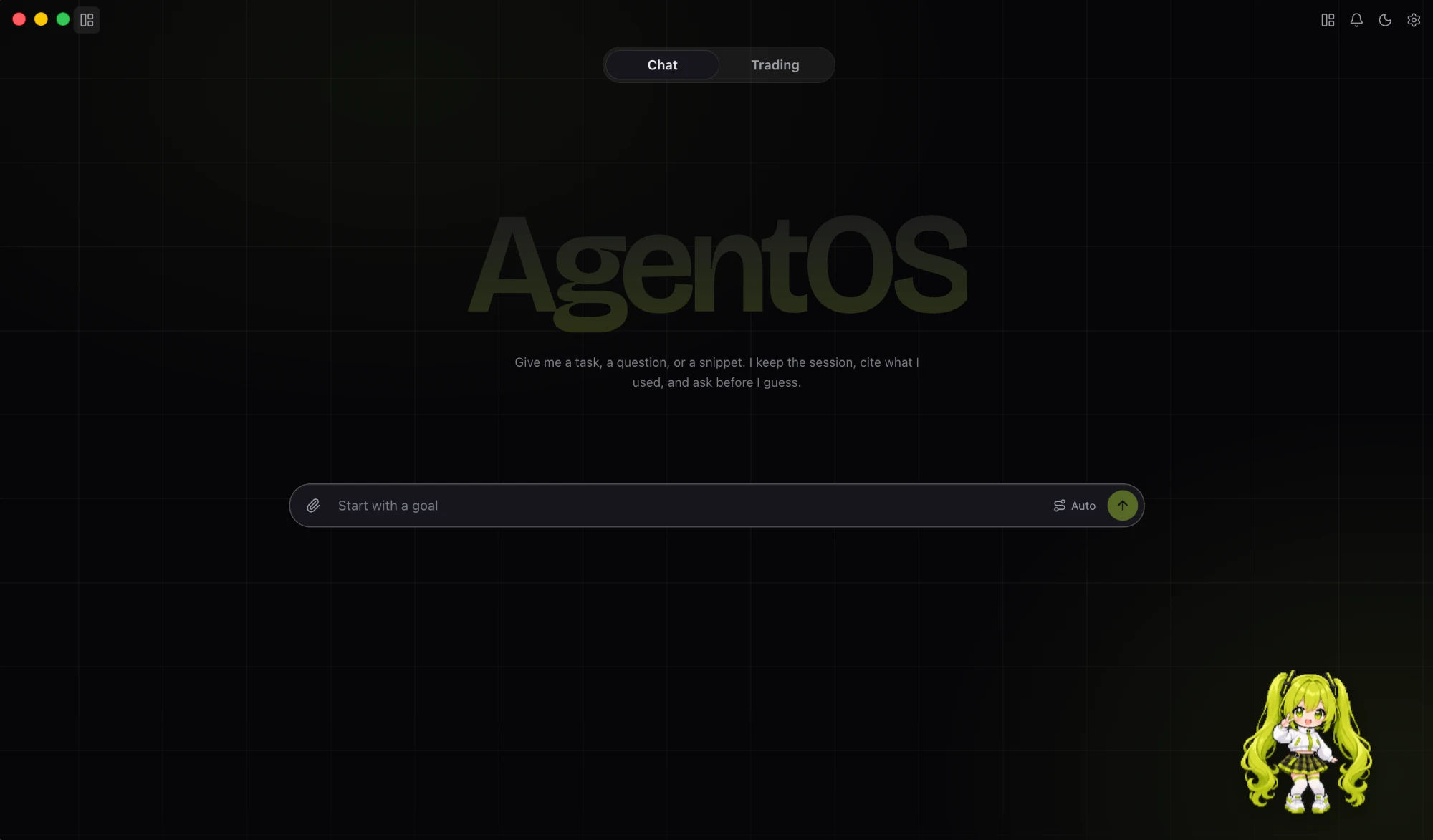
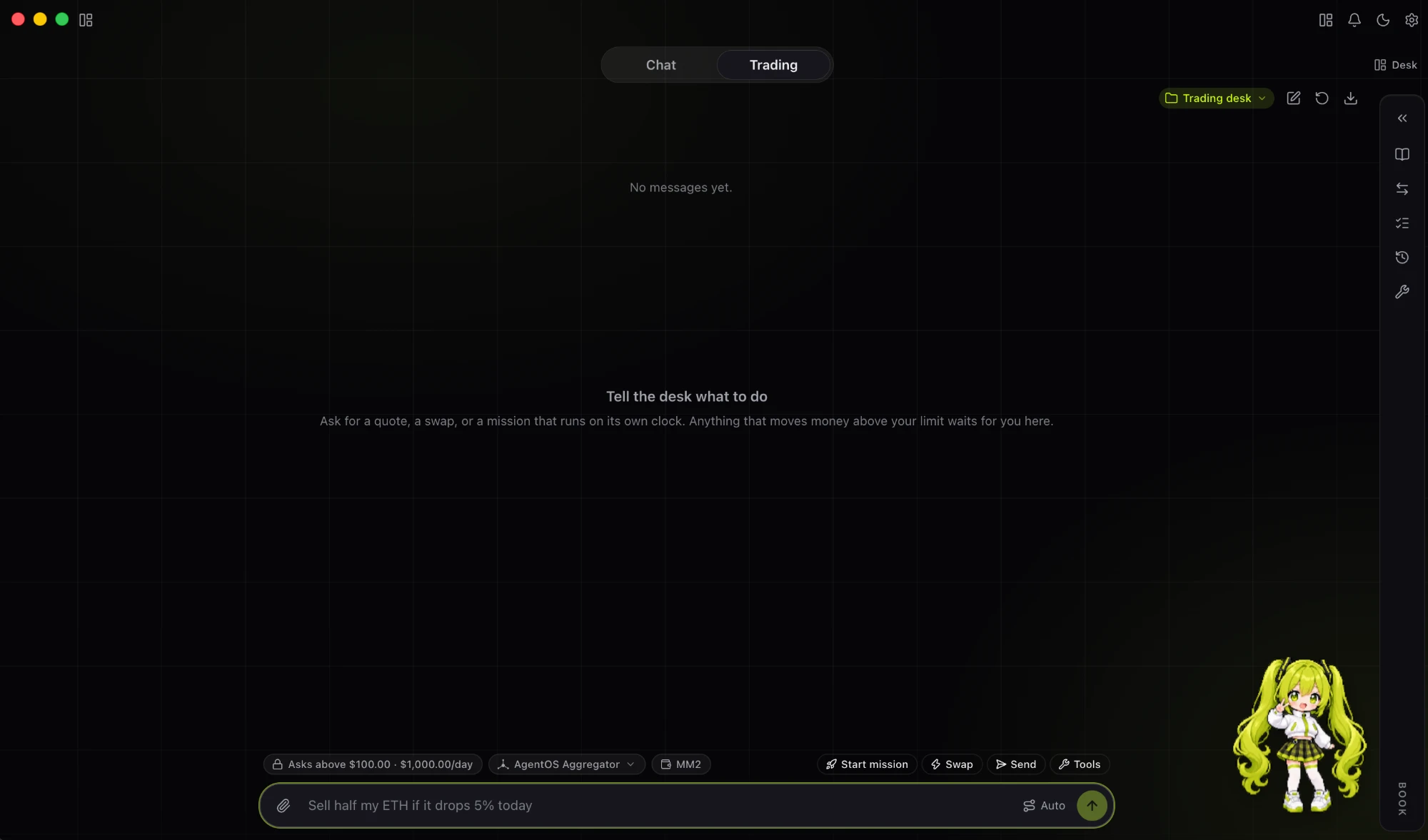
Drag it into Applications and open it. First launch installs the same use-agent-os package the terminal install uses and starts the gateway.
Sessions, projects, skills, and scheduled jobs on the left. The desk quotes, swaps, and runs missions on their own clock; anything above your limit waits for you.
New releases show up inside the app as an Update pill. Nothing downloads or installs until you click it.
Signed with a Developer ID and notarized, so it opens without a Gatekeeper workaround. System notifications, Dock badge, and light or dark palettes.
A local signal pass and a small judge model choose the cheapest capable tier before execution starts.
The full turn is classified by difficulty, risk, context, and intent.
Local rules identify debug work, strict formats, long context, and agentic tasks.
A small model selects the lowest tier that can complete the work reliably.
The chosen tier maps to a concrete provider profile for that turn.
Greetings and one-liners
Routine edits and focused tasks
Refactors and non-trivial debugging
Production and cross-service work
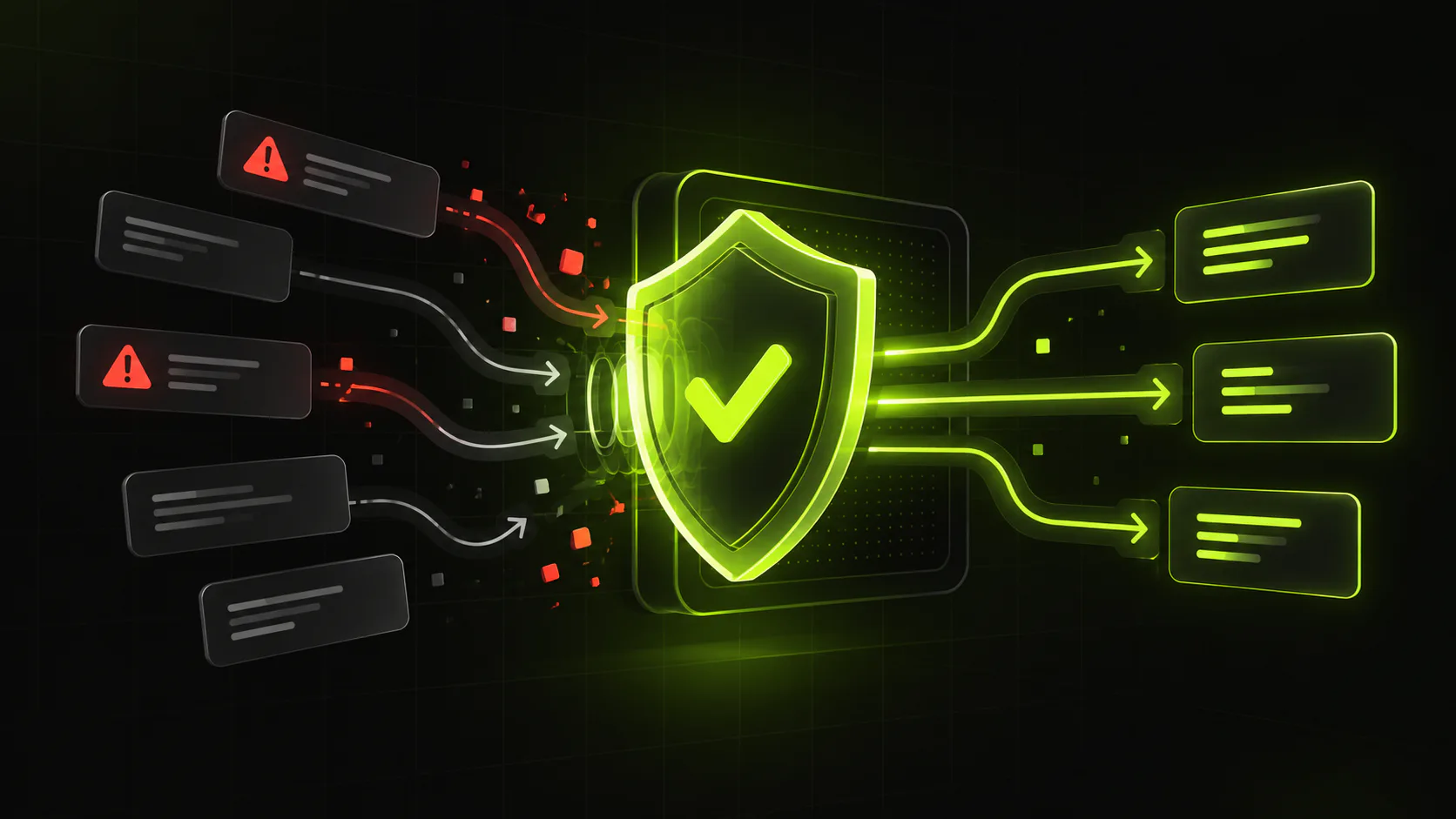
Recent higher-tier turns stay warm, protecting continuity and model cache reuse.
Short follow-ups inherit the active workstream instead of dropping context.
A failed answer raises the next turn instead of repeating the same attempt.
CLI, Web UI, and chat share the same gateway, memory, tools, approvals, and usage accounting.
Configure a provider, start the gateway, and run full agent turns from the shell.
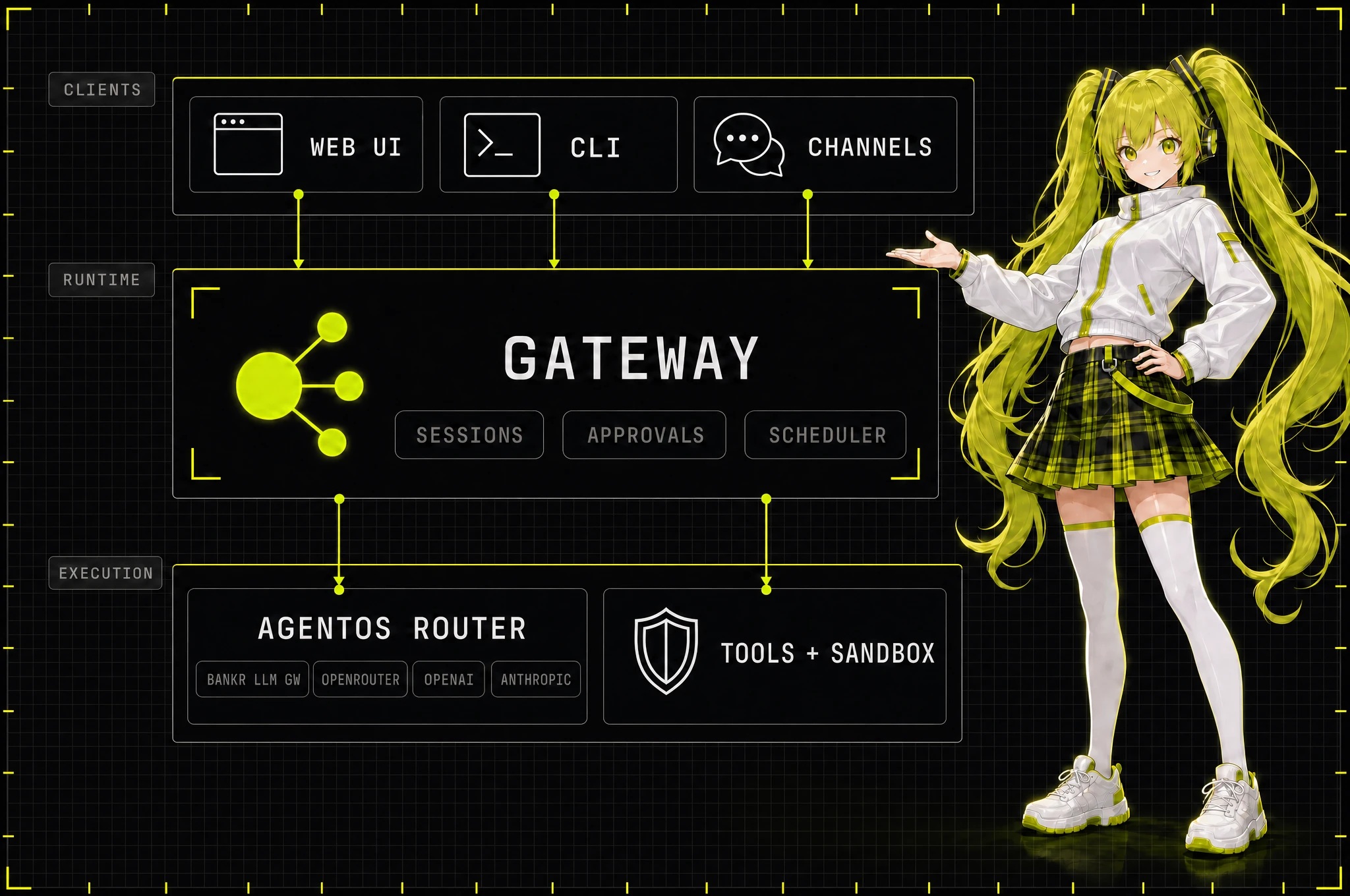
Run sessions, review approvals, publish artifacts, and inspect replay data.
Bring the same runtime into the messaging tools your team already uses.
Memory persists, tools stay controlled, and context remains focused across extended workstreams.
Large outputs stay useful without flooding model context. Full results remain available on disk.
Facts, notes, and task traces return through local keyword and semantic search.
File, shell, web, git, and media tools run behind policy and approval layers.
Package recurring work as reusable, composable routines.
Transcripts, summaries, artifacts, cost, and replay data persist.
Bring fresh external context into any turn through a configured provider.
Local ONNX embeddings power semantic recall without sending memory to a remote model.
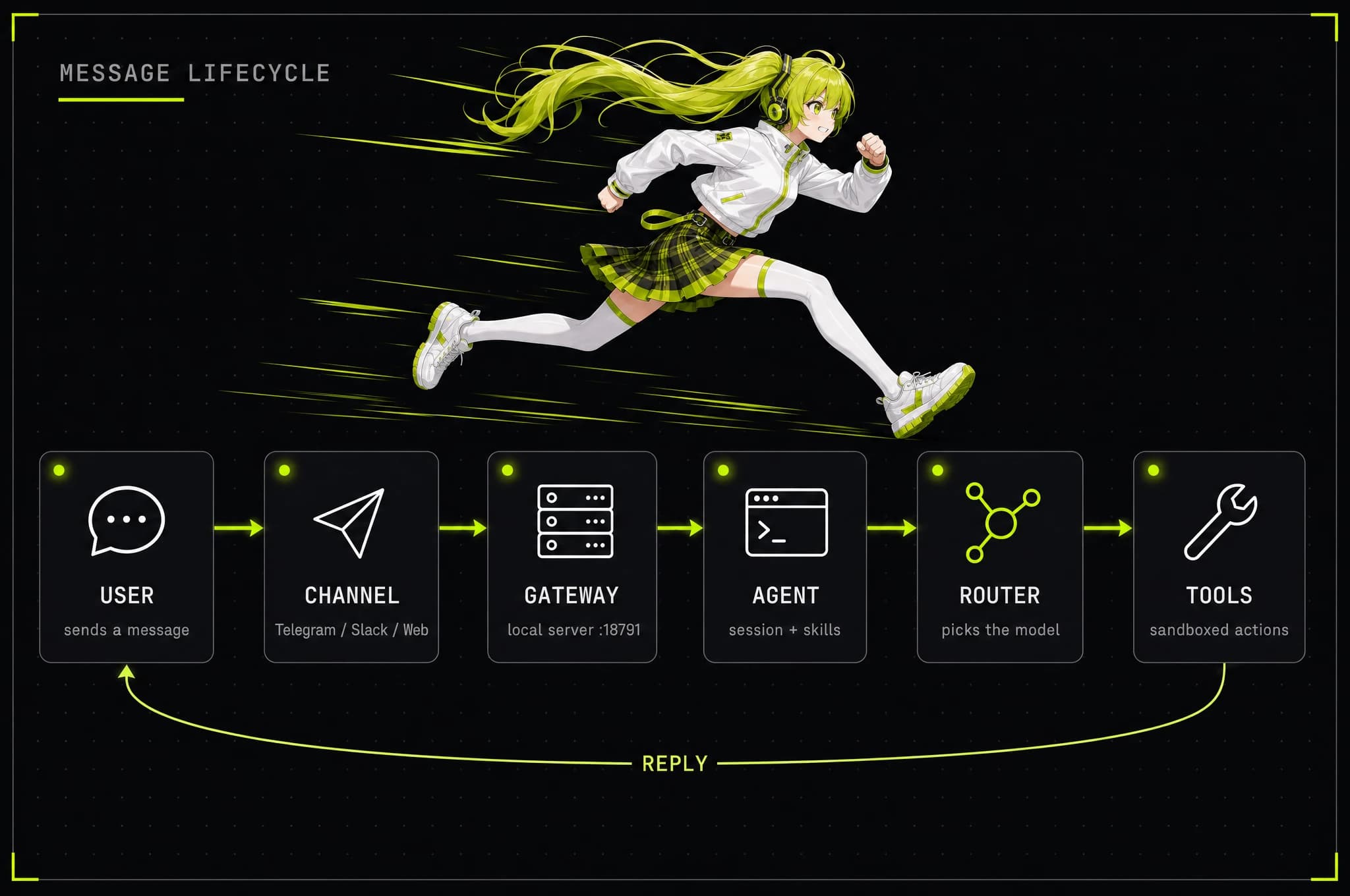
Point AgentOS at the backend that fits the work. Switching never requires application code changes.
Windows, macOS, and Linux use the same setup path.
AgentOS installs into an isolated tool environment and manages its own Python, so you don't need Python first.
Pull the recommended profile — router plus the on-device memory stack — from the latest release wheel.
Run the onboarding wizard to pick a backend and set your key, or point it straight at one non-interactively.
Start the shared runtime that every surface connects to, then open the local control console in your browser.
Chat interactively, or fire a single one-shot turn. Smart routing sends each turn to the cheapest capable model.
Yes. Trading is a first-class capability. AgentOS ships a featured Robinhood Trading MCP preset plus bundled skills for GMGN swaps and market research across Solana, BSC, Base, and Ethereum, Robinhood tokenized-stock lookups, and Uniswap V4 liquidity management. Partner skills from Bankr and Capminal install in one click from the Community hub.
Order-capable tools are treated as high-impact financial actions. The agent reads the provider's live authenticated schemas rather than an unofficial API, execution skills require explicit confirmation, and liquidity writes stay a dry run until you approve the exact plan.
Yes, it is local-first. Authorization tokens are stored in a permission-restricted directory on your own machine, signing keys are local environment values, the Pilot Router classifies every turn on-device, and scheduled work runs through your local gateway rather than a rented agent cloud. What leaves the machine is only what has to: broker or exchange API calls, and the model turns you route to a remote provider.
An on-device Pilot Router classifies every turn locally by difficulty, risk, context, and intent, then a small judge model selects the lowest tier that can complete the work reliably. Tool-result compression keeps large outputs out of model context.
On one runtime across four surfaces: a CLI, a local Web UI control console, chat channels including Telegram, Slack, and Discord, and the AgentOS App for macOS. The desktop app installs the engine for you on first launch, puts chat and the trading desk in one window, and updates itself. All of them share the same gateway, memory, tools, approvals, and usage accounting.
More than 20 provider backends, including OpenAI, Anthropic, Gemini, OpenRouter, and local models through Ollama. Switching backends needs no code changes.
A small crew at 404 Labs ships AgentOS end to end: routing, memory, sandbox, and the surfaces you run it through.
View the full team
Route each turn to the lowest-cost model that can complete it reliably.
Install AgentOS